3D Lotus Flower: A 3D SVG Paper Flowers Asset Review
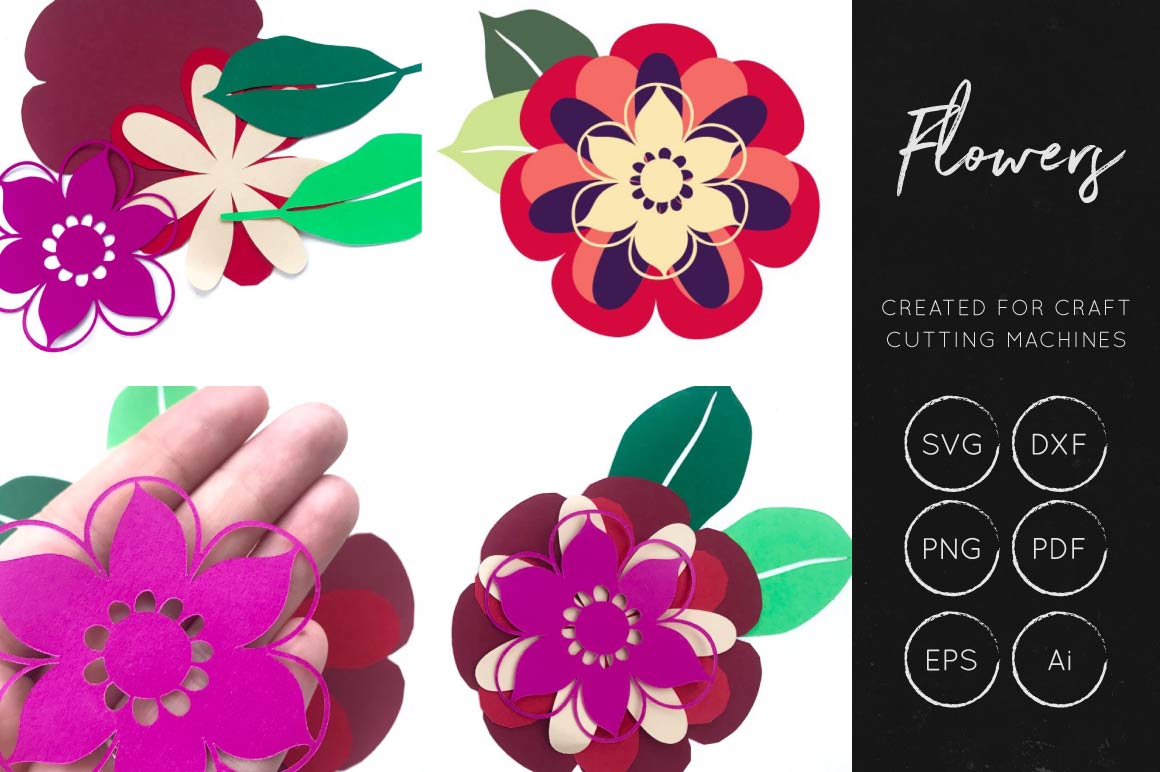
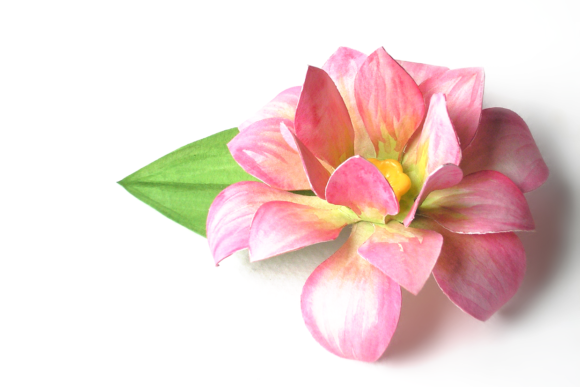
As a brand designer and content marketer, I spend most of my day dissecting why certain visuals stop the scroll while others fade into the background. We are constantly hunting for design elements that balance aesthetic appeal with commercial viability. Recently, I encountered a specific graphic design asset titled "3D Lotus Flower" that caught my attention not just for its beauty, but for its potential utility in modern content marketing workflows. This is a SVG design that mimics the intricate, layered structure of a paper flower, offering a tactile feel in a digital space.
In this review, I will walk you through how this asset performed when I tested it in a real-world scenario: refreshing the visual identity for a small wellness business launching a seasonal self-care collection. My goal was to determine if this creative design could elevate their brand identity, improve audience trust, and provide versatile marketing visuals without compromising professional standards.
The First Impression: Mood and Emotional Tone
When you first load a digital product like this, your eye immediately scans for complexity and clarity. The 3D Lotus Flower delivers on both. Unlike flat vector illustrations that can sometimes feel sterile or overly corporate, this asset carries a sense of depth and organic movement. It creates a mood that is serene, premium, and handcrafted. For brands operating in the lifestyle, wellness, or handmade sectors, this emotional tone is invaluable.
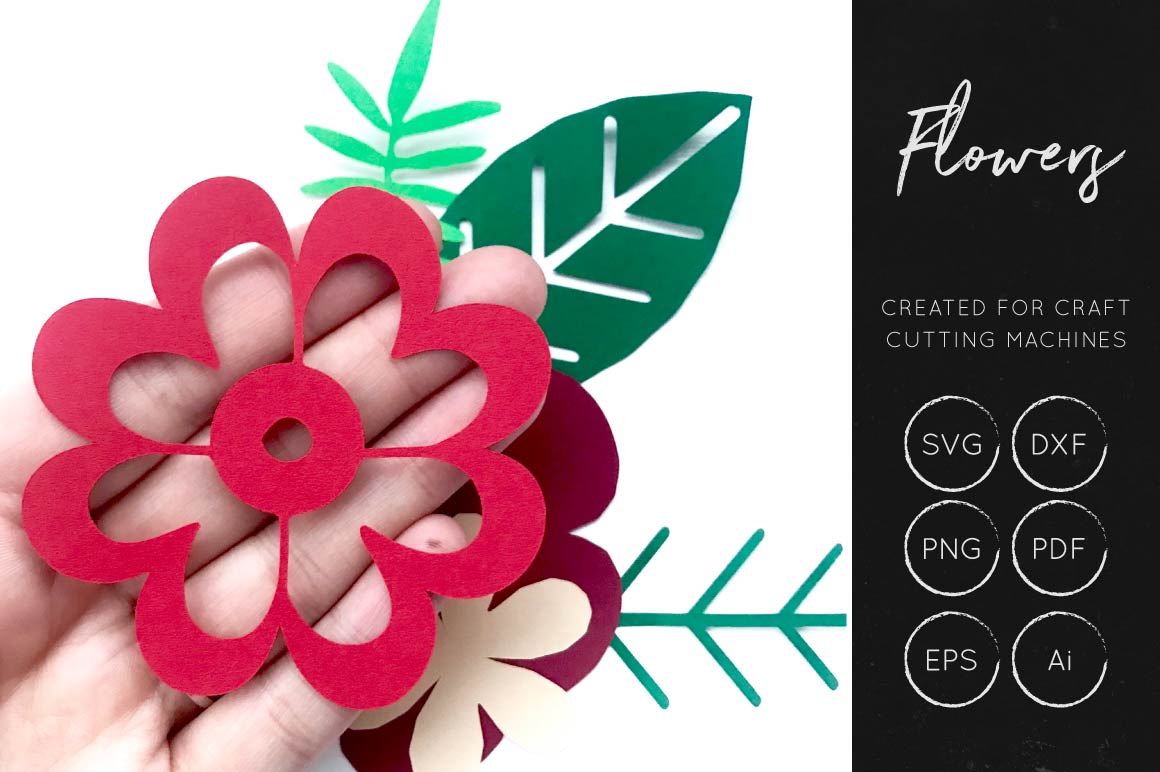
The design evokes the feeling of something tangible. As the description notes, the inspiration comes from cutting petals from colored or watercolor paper. This "paper craft" aesthetic translates beautifully to digital screens, suggesting authenticity and care. In an era where consumers crave genuine connections, using a design asset that feels human-made rather than algorithmically generated can significantly enhance small business branding. It signals to the audience that attention to detail matters, which indirectly boosts perceived value.
Real-World Application: A Wellness Launch Campaign
To test the versatility of this Svg design, I applied it to a mock campaign for a fictional artisanal candle and skincare line. The challenge was to create a cohesive look across multiple touchpoints without the visuals looking cluttered or unprofessional. Here is how the lotus asset integrated into different stages of the workflow:
- Social Media Graphics: For Instagram posts, the lotus served as a stunning hero graphic. Because the petals have distinct layers, it held up well even when overlaid with text for quotes or product announcements. It provided a strong visual hierarchy, drawing the eye before moving to the call-to-action.
- Pinterest Pins: Pinterest is a visual search engine, and high-quality imagery wins here. The 3D effect of the lotus made the pins stand out in crowded feeds. I used it as a decorative accent behind product shots, which helped unify the board’s aesthetic.
- Email Banners: Email marketing requires clean, readable designs. I placed the lotus in the header of a promotional email. Its soft curves softened the overall layout, making the brand feel more approachable and less transactional.
- Packaging Design: One of the most exciting applications was for printable packaging inserts. Since the asset is derived from a paper-cut concept, it felt natural to use it on physical cards included in shipments. It bridged the gap between digital web design and physical packaging design.
Supporting Marketing Goals Through Visual Consistency
A common pitfall in content creation is inconsistency. Brands often mix styles that clash, confusing the audience. This 3D Lotus Flower supports stronger first impressions by providing a consistent visual anchor. When used repeatedly across social media graphics, digital ads, and editorial layouts, it becomes a recognizable symbol of the brand’s quality.
Furthermore, the asset aids in better product presentation. By surrounding a product image with these elegant floral elements, the product appears more curated and intentional. This leads to improved audience trust; customers perceive the brand as established and thoughtful. In competitive niches, this subtle edge can be the difference between a click and a conversion. The modern design quality ensures it doesn’t look dated quickly, protecting your investment in design assets.
Where the Asset Shines Best
Based on my testing, this illustration performs exceptionally well in specific contexts:
- Hero Graphics and Campaign Headers: Its detailed nature makes it perfect for large-scale displays where viewers have time to appreciate the intricacy.
- Branded Templates: It works beautifully inside Canva templates for bloggers and coaches who need a quick way to add a touch of elegance to their daily posts.
- Packaging Accents and Stickers: As a printable design, it adds a premium feel to labels, stickers, and thank-you cards.
- Decorative Brand Elements: Use it sparingly to break up text blocks in blog posts or lead magnets, adding visual interest without distracting from the core message.
Strategic Limitations and Cautionary Notes
No single asset is a silver bullet. There are scenarios where using this 3D Lotus Flower might detract from your message. It is crucial to recognize these limitations to maintain professional branding:
- Formal Corporate Branding: If you are designing for a law firm, financial institution, or tech startup, this asset may feel too whimsical or informal. It lacks the stark minimalism often required in corporate logo design.
- Dense Information Layouts: Avoid placing this element in layouts already heavy with text or data. The lotus is visually complex and can compete with important information, reducing readability.
- Small Mobile Graphics: While scalable, extremely small sizes (like favicons or tiny icons) may cause the fine details of the petals to blur or become indistinguishable. Always preview at final size.
- Low-Contrast Backgrounds: Ensure there is sufficient contrast between the lotus and its background. On light or busy backgrounds, the subtleties of the 3D shading may get lost.
Practical Designer Notes for Implementation
To get the most out of this commercial design, I recommend following these practical steps:
Test Your Color Palette: The asset likely comes in a default color scheme, but true brand identity comes from customization. Experiment with replacing the petal colors to match your brand’s primary and secondary colors. This ensures the lotus feels integrated rather than pasted on.
Check Black and White Usage: Convert the asset to grayscale to see how it holds up in monochrome. Good graphic design relies on shape and shadow, not just color. If it looks weak in black and white, it may lack structural integrity.
Font Pairing: Test the lotus against various typography styles. It pairs elegantly with serif fonts for a classic, editorial look. It also works well with script fonts for a feminine, boutique vibe. However, be cautious with handwritten fonts that have similar stroke weights, as they might clash with the delicate lines of the petals.
Review Spacing and Balance: Give the asset room to breathe. Crowding it with other elements diminishes its impact. Use negative space to highlight its form.
Confirm Licensing: Before using this in any paid campaigns, client work, or merchandise, verify the commercial license. Ensure you have the right to use it for digital products and physical goods. This protects your business from legal issues down the line.
Final Verdict
The 3D Lotus Flower is more than just a pretty picture; it is a strategic tool for visual content creation. It brings a sense of warmth, craftsmanship, and elegance that resonates with audiences seeking authenticity. For small business owners, online coaches, and creative entrepreneurs, this SVG design offers a high-impact way to refresh their marketing visuals and strengthen their brand identity. Just remember to use it strategically, respecting its complexity and ensuring it aligns with your overall brand voice. When used correctly, it transforms ordinary content into memorable experiences.