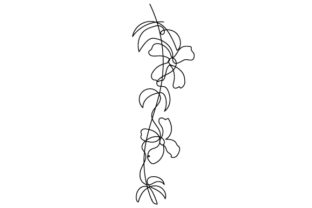
Flowers on Vine mandala Style for Crafts and Mandalas
In my years as a brand designer and content marketer, I have learned that the difference between a campaign that resonates and one that fades into the background often comes down to a single graphic design asset. Recently, I evaluated a specific piece titled Flowers on Vine mandala Style while preparing a visual strategy for a lifestyle brand launching a new seasonal collection. The goal was to create a cohesive look across social media, packaging, and digital ads without sacrificing professionalism. This review breaks down how this intricate design functions in real-world marketing scenarios and why it stands out as a valuable tool for creative entrepreneurs.
First Impressions: Setting the Emotional Tone
The moment you introduce Flowers on Vine mandala Style to your visual ecosystem, the mood shifts immediately. Unlike generic floral clipart that can feel flat or mass-produced, this mandala-style illustration exudes a sense of balance, organic flow, and thoughtful craftsmanship. It creates an emotional tone that is both welcoming and sophisticated. For brands targeting audiences interested in wellness, handmade goods, or boutique lifestyle products, this asset bridges the gap between casual branding and premium visuals.
I found that the design carries a natural elegance that elevates any project it touches. Whether used as a decorative element on a product label or as the centerpiece of a Pinterest pin, it signals quality to the viewer. In a crowded digital marketplace where attention spans are short, Flowers on Vine mandala Style offers a visual anchor that draws the eye without creating chaos. It suggests that the business behind the image values detail and aesthetic harmony, which is crucial for building immediate audience trust.
Integrating the Asset into a Real Marketing Workflow
To understand the true utility of this design, imagine a small business owner preparing for a summer product launch. They need a unified visual identity that works seamlessly from their website headers down to the physical inserts inside their shipping boxes. This is where Flowers on Vine mandala Style proves its versatility. Because it is available in multiple formats including SVG File, Transparent PNG, EPS, and DXF, it fits perfectly into diverse workflows.
For the digital campaign, the transparent PNG allows the designer to overlay the mandala on various backgrounds without worrying about white boxes or awkward edges. It becomes a key component of the visual hierarchy, guiding the user's eye toward the call-to-action buttons while adding depth to the composition. On social media platforms like Instagram and Facebook, these assets serve as powerful accents for promotional banners and story highlights. The design transforms standard posts into memorable campaign visuals that encourage higher engagement rates.
For the physical side of the business, the EPS and DXF files are invaluable. A craft entrepreneur can use the vector data to cut custom stickers for their packaging or print high-resolution labels for their jars and bottles. This ensures that the brand identity remains consistent whether the customer is scrolling through a feed or holding the product in their hands. The ability to scale the design without losing quality means it works equally well for large format posters and tiny mobile notifications.
Strategic Applications Across Brand Touchpoints
The flexibility of Flowers on Vine mandala Style extends far beyond simple decoration. It acts as a foundational element for commercial design projects that require a touch of artistic flair. In editorial design, it can frame article headers or separate sections within a newsletter, adding a layer of polish that text alone cannot achieve. For content creators building a library of Canva templates, this asset provides a ready-made design block that speeds up production time while maintaining a professional appearance.
When developing a lead magnet or a media kit, incorporating this mandala design helps establish a distinct personality. It differentiates the brand from competitors who rely on sterile, corporate imagery. By using Flowers on Vine mandala Style in digital ads and blog graphics, businesses can create a recognizable pattern that reinforces their message over time. The design is particularly effective for creating branded templates, ensuring that every piece of content feels part of a larger, cohesive story.
Furthermore, this asset supports the creation of merchandise and event flyers. Its symmetrical nature makes it ideal for printing on t-shirts, tote bags, and other promotional items. When used in marketing visuals for events, it adds a festive yet refined atmosphere that appeals to a wide demographic. From web design elements to printable promotions, the integration of this design asset elevates the perceived value of the entire operation.
Where the Design Shines Brightest
This graphic design asset performs exceptionally well in hero graphics and campaign headers where visual impact is paramount. It serves as an excellent choice for product launch visuals, providing a focal point that captures imagination. As a decorative brand element, it enhances editorial layouts and content bundles without overwhelming the primary information. Social media covers benefit significantly from its balanced structure, offering a professional backdrop for text overlays.
It is also highly effective when used as a packaging accent. A subtle placement of the mandala on the corner of a box or the seal of an envelope can turn a standard package into a curated experience. For digital product sellers, using this illustration as a thumbnail or cover image for downloadable guides can increase click-through rates by making the product look more polished and intentional.
Navigating Limitations and Usage Constraints
While Flowers on Vine mandala Style is a powerful tool, it requires strategic application to avoid diminishing its impact. It should be used carefully in formal corporate branding contexts where stark minimalism is the norm; the organic curves may clash with rigid geometric identities. Additionally, in dense information layouts or designs that rely heavily on text, the intricate details of the mandala could compete with the main message, causing visual noise.
Small mobile graphics present another challenge. If scaled down too much, the fine lines of the mandala may become indistinct, reducing its effectiveness. Similarly, placing the design on low-contrast backgrounds can make it disappear, negating its purpose. Brands with an overly minimalist aesthetic might find the design too ornate, preferring cleaner, simpler icons. In text-heavy ads, it is best to use the asset sparingly as a border or footer rather than a central focus.
Essential Notes for Professional Implementation
Before deploying Flowers on Vine mandala Style in a live campaign, several practical steps are necessary to ensure success. First, test the design against your existing brand color palette. Ensure that the colors complement rather than clash with your core hues. Check how the asset looks in black and white, as many users will view your content on grayscale screens or print materials.
Place the design inside real campaign mockups to see how it interacts with typography. Does it pair well with your chosen serif font, sans serif font, script font, handwritten font, or display font styles? Review the spacing and balance to confirm that the mandala does not crowd your copy. It is also vital to preview the asset on mobile screens to verify readability at smaller sizes.
Finally, always compare your final design against competitor visuals to ensure uniqueness. Most importantly, confirm the commercial license before using the asset in paid campaigns, client work, or business branding. Understanding the terms of use protects your investment and ensures you can leverage this design bundle fully. With proper planning, Flowers on Vine mandala Style becomes more than just an image; it becomes a strategic component of your professional branding toolkit.