Houseplant Clipart: A Designer's Real-World Embroidery Review
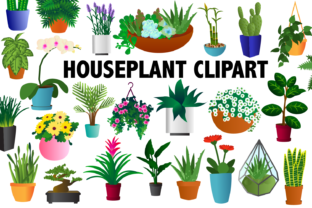
As a designer who spends countless hours testing digital assets before they ever hit the embroidery machine, I approach every new download with a mix of excitement and skepticism. The market is flooded with generic graphics, but Houseplant Clipart caught my eye for its specific focus on foliage that feels ready for the hoop. This isn't just a collection of static images; it is a set of 25 original illustrations featuring cacti, flowers, hanging plants, orchids, lavender, indoor jungle plants, bonsai, succulents, and ivy. But does this Illustrations category gem translate well into a tangible Graphics asset for real-world stitching? Let's dive into how this design performs when moving from screen to fabric.
The First Stitch: Visual Personality and Mood
When you first open the folder containing Houseplant Clipart, the immediate impression is one of organic calm. In the world of embroidery, where thread can sometimes feel stiff or rigid, these designs offer a softer aesthetic. The shapes are distinct enough to hold their form during stitching but fluid enough to mimic the natural droop of an ivy vine or the structured leaves of a succulent. For a crafter looking to create a cohesive brand identity, this set provides a consistent visual language that screams "botanical sanctuary."
I immediately envisioned using these files for a custom embroidered tote bag. The concept of carrying a piece of nature around in a canvas bag is timeless, and the variety within this embroidery file allows for endless combinations. You aren't stuck with a single monochromatic leaf; you have the option to stitch a vibrant orchid alongside a spiky cactus, creating a dynamic composition that draws the eye. The mood is undeniably welcoming, making it perfect for nursery decor, baby clothes, or even a boutique shop's apron branding.
Real-Life Application: From Screen to Stitches
The true test of any machine embroidery design happens when you load it onto the frame. I ran a scenario where I was preparing a small batch of holiday gifts for local clients. The goal was to create personalized kitchen towels and pillow covers featuring a touch of greenery. Using Houseplant Clipart, I selected a few of the hanging plant designs. On paper, they looked delicate. In practice, the results were surprisingly robust.
The line work held up beautifully on medium-weight cotton twill used for aprons. The satin stitch coverage on the stems provided a nice sheen, while the fill stitch areas on the broader leaves captured texture without becoming too dense. However, the success relied heavily on choosing the right thread colors. Because these are digital embroidery files meant to represent various shades of green, yellow, and purple, selecting high-quality threads is crucial. If you choose a thread that is too dark against a dark fabric, the design disappears; if it is too light, it lacks definition.
I also tested these designs on a sweatshirt for a personal project. The stretchy fabric required a stable base, but once stabilized correctly, the Houseplant Clipart lay flat and comfortable against the skin. It didn't pull or warp, which is a common complaint with complex foliage designs. This makes it an excellent choice for custom apparel where comfort is as important as aesthetics. Whether you are an Etsy seller producing limited edition runs or a hobbyist making a gift for a friend, the versatility here is genuine.
Where to Be Cautious: Limitations and Challenges
No design is without its flaws, and as a professional reviewer, I need to be honest about where Houseplant Clipart might struggle. While the larger elements like the indoor jungle plants are forgiving, the smaller details found in the intricate flower centers or the tiny tips of the bonsai branches require careful consideration. If you attempt to stitch these on a very small hoop size, you risk losing the fine points of the design, turning them into blobby shapes that lose their botanical charm.
Furthermore, textured fabrics can be a nightmare for detailed clip art. If you try to embroider these on a heavy, nubby linen or a fuzzy fleece, the thread may not penetrate evenly, leading to skipped stitches or uneven coverage. Thin fabrics, such as lightweight silk or sheer polyester, are also risky unless you use a heavy-duty stabilizer. The weight of the thread itself can cause the fabric to pucker, ruining the clean look of the embroidered patch or garment.
Curved surfaces like caps present another hurdle. While the curves of the leaves themselves are pleasing, mapping a flat graphics design onto a rounded crown requires precise digitizing adjustments. If the design file doesn't account for the curvature, the leaves might look distorted when viewed from the front. Similarly, if you plan to wash these items frequently, such as a tea towel or a child's onesie, ensure the stitch density is appropriate. Too much density can make the fabric stiff and prone to tearing after repeated laundering.
Impact on Brand and Product Value
In the competitive world of handmade goods, presentation is everything. Using a cohesive set like Houseplant Clipart elevates the perceived value of your finished product. When a customer sees a professionally executed embroidery project that features a unified theme, they trust the quality of the craftsmanship. It signals that you care about details, from the color palette to the alignment of the stitches.
This consistency is vital for commercial embroidery projects. Imagine a boutique selling a line of home goods; having matching motifs across pillow covers, napkins, and tote bags creates a strong brand identity. The design assets in this set allow you to build a collection that feels curated rather than random. Customers are more likely to engage with a brand that offers a recognizable style, and the natural, calming vibe of houseplants appeals to a wide demographic, from young parents to interior design enthusiasts.
Practical Notes for the Embroidery Designer
Before you rush to start stitching, there are a few critical steps to take to ensure your finished product meets your standards. First and foremost, always test the design on scrap fabric that matches your final material. This simple step can save you hours of frustration and prevent ruined garments. Check the thread color contrast by viewing the design in black and white mockups; this helps you see if the design has enough depth or if it will look flat once stitched.
Review the stitch density carefully. If the file is too dense, it may be difficult to hoop tightly, leading to misalignment. Confirm the recommended hoop size for each image in the set, as some of the 25 designs are better suited for larger frames. Inspect the small details, particularly the corners of the leaves and the centers of the flowers, to ensure they are not so fine that they will break under tension.
Don't forget to check the licensing terms before selling finished items or offering digital previews. Ensure you understand whether you can use these illustrations for commercial purposes or if they are restricted to personal use. Also, verify the file formats available; compatibility with your specific embroidery machine is non-negotiable. Finally, use a proper stabilizer that supports the fabric type you are working with. A floating applique technique might be necessary for some of the lighter running stitch elements to achieve the desired effect.
Ultimately, Houseplant Clipart is a solid addition to any designer's library. It offers a blend of simplicity and detail that works well for a variety of applications, from personalized gifts to small shop merchandise. By approaching it with the right preparation and technical knowledge, you can transform these digital graphics into beautiful, tactile pieces that bring a touch of nature into everyday life.