Hibiscus Flowers: A Designer's Real-World Embroidery Review
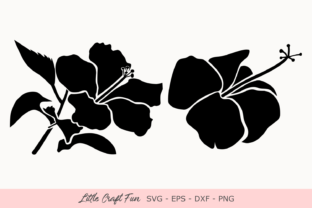
When I first opened the Hibiscus Flowers design file, my immediate reaction was one of tropical calm. As a designer who spends hours evaluating graphics for real-world application, I don't just look at how pretty an image is on a screen; I look at how it will behave under a needle. This design feels like it belongs in a sun-drenched boutique or a cozy home decor shop. It carries a specific mood—vibrant, welcoming, and effortlessly stylish—that translates well into physical form.
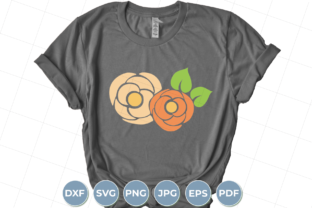
The layout strikes a balance between boldness and elegance. The petals are distinct enough to hold their shape during stitching but have enough organic flow to avoid looking stiff or mechanical. For anyone running a craft business or selling handmade goods, this visual personality is gold. It suggests a brand that is approachable yet professional, making it an excellent choice for custom apparel, tote bags, or nursery decor where you want to evoke a sense of warmth.
From Screen to Stitch: How It Performs in the Hoop
I recently put Hibiscus Flowers to the test on a custom embroidered tote bag project intended for a local craft fair. My goal was to create a unique accessory that would stand out among generic store-bought items. The design files provided included SVG, EPS, PNG, and DXF formats, which made the transition from digital asset to machine embroidery seamless. However, the true test lies in the execution.
On the canvas tote, the design held up beautifully. The stitch density felt appropriate for the fabric weight, preventing any puckering that often plagues lighter materials. When I switched to a thick cotton sweatshirt for a second sample, the contrast between the thread colors and the dark fabric created a striking effect. The satin stitch areas along the petal edges gave the flowers a raised, luxurious texture that customers could actually feel. This tactile quality is crucial for handmade products because it elevates the perceived value of the item.
For small business owners, this reliability means fewer returns and happier clients. If a design looks good in a mockup but fails in production due to poor stitch definition, it damages your reputation. Hibiscus Flowers appears to be engineered with clarity in mind, ensuring that even intricate details remain visible after washing and wear.
Where This Design Shines
This graphic is incredibly versatile, fitting naturally into a wide array of projects. Its scale and composition make it ideal for:
- Custom Apparel: Whether it is a lightweight t-shirt or a heavy hoodie, the design anchors well without overwhelming the garment.
- Baby Items: The soft, floral theme is perfect for baby clothes, blankets, or bibs, offering a gentle aesthetic that parents love.
- Home Decor: Imagine this stitched onto a pillow cover or a kitchen towel. The vibrant nature of the hibiscus adds a pop of color to neutral spaces.
- Accessories: Caps, hats, and aprons benefit from the balanced curvature of the flower, which follows natural body lines well.
- Commercial Merchandise: For Etsy sellers or boutique branding, this design serves as a strong visual identifier that signals quality craftsmanship.
In a commercial setting, having a design that works across different product types—from a digital printable mockup to a finished embroidered patch—saves time and resources. You can market the same core asset to different audiences without needing to redesign everything from scratch.
Navigating Potential Pitfalls: Where to Be Careful
No design is perfect for every situation, and being an experienced reviewer means knowing where to draw the line. While Hibiscus Flowers is robust, there are specific scenarios where you might need to exercise caution.
If you are working with a very small hoop size, pay close attention to the finer details. Tiny elements can sometimes get lost or merge together if the resolution isn't high enough or if the stitch count is too dense for the space available. Similarly, textured fabrics like chunky knits or bouclé can obscure the definition of the flower, making it look muddy rather than crisp.
Stretchy fabrics present another challenge. Without proper stabilization techniques, the tension of the embroidery process can distort the circular shape of the bloom. On thin fabrics, you must ensure you are using a stabilizer that provides enough support to prevent the fabric from pulling away from the design. Dark fabrics require careful selection of thread colors to ensure the flower pops against the background; otherwise, the design may lose its impact.
Curved surfaces, such as baseball caps, add complexity. While the design is generally adaptable, the curvature of the cap can stretch the stitches slightly. Testing on scrap fabric before committing to a final product is essential here. Also, if you plan to wash these items frequently, check the durability of the stitches. Dense stitch areas on decorative accents should be reinforced to prevent fraying over time.
Practical Notes for the Modern Maker
To get the best results with Hibiscus Flowers, consider these practical steps before starting your next embroidery project:
- Test First: Always run a test stitch on scrap fabric that matches your final material. This reveals issues with tension, density, or thread contrast immediately.
- Check File Compatibility: Ensure your embroidery software can read the SVG, EPS, PNG, and DXF files correctly. Different machines interpret vectors differently.
- Review Stabilization: Use the right type and weight of stabilizer for your fabric. This is the backbone of a clean finish.
- Mockup Visually: View the design in black and white to check contrast levels. Then, compare it on both light and dark backgrounds to see how the thread colors perform.
- Inspect Details: Zoom in on the smallest parts of the design to ensure they won't disappear when stitched.
- Confirm Licensing: Before selling finished items or distributing the digital files, double-check the license terms. Some designs allow personal use only, while others permit commercial resale.
By following these guidelines, you protect your investment of time and money. A well-executed embroidery project builds trust with your customers. They know that if you care about the technical details, you care about the quality of the final product.
The Bottom Line for Crafters and Entrepreneurs
In the world of digital design assets, finding a file that balances artistic flair with technical reliability is rare. Hibiscus Flowers manages to hit that sweet spot. It brings a fresh, summery vibe to any project while maintaining the structural integrity needed for professional-grade embroidery.
For hobbyists, it offers a fun way to create personalized gifts that feel special. For Etsy sellers and small shop owners, it provides a reliable tool to expand product lines with minimal risk. The ability to use this design on everything from holiday gifts to boutique branding makes it a versatile addition to any library.
Ultimately, the success of an embroidery project comes down to the intersection of good design and skilled execution. Hibiscus Flowers provides the former, leaving you free to focus on the latter. With thoughtful preparation and the right materials, this design has the potential to elevate your work from a simple craft to a cherished keepsake. Whether you are decorating a child's room or launching a new clothing line, this graphic offers the visual appeal and practical performance needed to succeed in today's competitive market.