Spring Flower: A Designer's Real-World Embroidery Review
When I first opened the Spring Flower file, my immediate reaction wasn't about the file formats or the compatibility list. It was about the mood. There is a distinct energy to this design that feels less like a generic clipart and more like a curated piece of art waiting for thread. As someone who has spent years turning digital assets into tangible, stitched products for clients and craft fairs, I know that the difference between a good product and a great one often comes down to how well the design translates from screen to fabric.
This review isn't just a list of features; it is a practical look at how Spring Flower performs when it actually goes under the needle. Whether you are an Etsy seller looking to refresh your shop with seasonal items or a hobbyist preparing a personalized gift, understanding the visual personality of a design is crucial before you ever hit "start" on your machine.
The First Stitch: Visual Personality and Mood
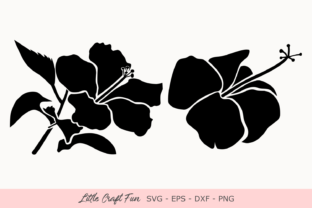
Spring Flower exudes a lightness that is perfect for the transition from winter to warmer days. The layout suggests a natural, slightly organic flow rather than a rigid, geometric pattern. This makes it incredibly versatile for custom apparel where you want the embroidery to feel integrated into the garment rather than slapped on top. The shapes are defined enough to hold their structure during stitching but open enough to allow for creative thread color choices.
In terms of visual appeal, the design strikes a balance between detail and clarity. It doesn't scream for attention with overwhelming complexity, which is exactly what makes it suitable for a wide range of projects. It feels approachable, friendly, and professional all at once. For a small business owner, this is the kind of asset that builds brand consistency because it looks polished even in a simple application. It creates a sense of care and intentionality that customers can see and touch.
Real-World Application: From Tote Bags to Nursery Decor
Let's talk about where this design truly shines. Imagine you are preparing a collection for an upcoming holiday market or restocking your online store. Spring Flower fits seamlessly into a variety of high-demand categories.
Consider a tote bag design. A canvas tote is a staple for any craft business, and adding this floral motif transforms a basic utility item into a statement piece. The design works beautifully centered on the front pocket or placed off-center for a modern, artistic look. When stitched with soft pastel threads, it evokes a spring garden vibe that appeals to a broad audience.
For those selling baby embroidery items, this design is a winner. Think of a onesie, a bib, or a soft blanket for a baby shower gift. The gentle curves of the flowers are safe and non-intimidating, making them perfect for nursery decor. The design scales well, meaning it can be reduced for a tiny chest logo on a baby shirt or expanded for a larger pillow cover. The key here is the emotional connection; parents want gifts that look handmade and thoughtful, and Spring Flower delivers that aesthetic immediately.
I also see this as a fantastic option for holiday embroidery projects, particularly around Easter or Mother's Day. While it is labeled "Spring," the universal appeal of fresh blooms allows it to cross over into general celebration themes. It adds a touch of elegance to personalized gifts without overpowering the recipient's name or custom text.
Navigating Technical Challenges and Limitations
While Spring Flower is a strong candidate for many projects, a professional designer knows that every design has its limits. You need to be strategic about where you place this embroidery to ensure the final finished product holds up to scrutiny.
First, consider the hoop size. If you are working with very small hoops, such as those used for hat patches or delicate jewelry boxes, you must verify the stitch count and density. Complex details in small areas can sometimes blur together if the resolution isn't high enough or if the stitches are too dense. Always test the design at its intended size on scrap fabric before committing to a customer's order.
Fabric texture plays a massive role in how Spring Flower will appear. On smooth, stable fabrics like cotton poplin or twill, the satin stitches will lay flat and crisp. However, on textured fabrics like heavy denim or chunky knits, the design might get lost in the weave. Similarly, stretchy fabrics require careful stabilizer selection to prevent puckering, which could distort the flower shapes and ruin the visual harmony of the piece.
Dark fabrics present another consideration. If you plan to embroider this on black or navy garments, you will need to choose thread colors that provide sufficient contrast. The design relies on clean lines, so using dark threads on dark backgrounds might result in a muddy appearance unless you use a high-quality underlay or a specific fill technique. In these cases, testing a mockup is non-negotiable.
Impact on Product Value and Customer Trust
As a reviewer who evaluates designs for commercial use, I pay close attention to how a design affects perceived value. Spring Flower elevates the perceived quality of a project. A plain sweatshirt becomes a boutique item when adorned with a well-executed floral design. This upgrade in aesthetics directly influences buyer engagement and allows you to price your handmade products at a premium.
Customers today are savvy. They can tell the difference between a cheap, pixelated print and a high-quality embroidered piece. Using a design like Spring Flower, which appears intentional and professionally crafted, builds trust. It signals that you care about the details, which is essential for Etsy sellers and creative entrepreneurs looking to build a loyal following. When a customer receives a personalized gift that looks this good, they are more likely to return for future purchases or recommend your shop to others.
Practical Designer Notes for Success
Before you rush to digitize this file for production, there are several steps every experienced maker should take to ensure success. These practices protect your reputation and your bottom line.
- Test on Scrap Fabric: Never skip this step. Run the embroidery design on a scrap of the exact fabric you intend to use. Check for puckering, thread breaks, or missing details.
- Review Stitch Density: Look closely at the fill areas. Are they too dense? Too sparse? Adjust the settings if necessary to ensure the texture matches the visual intent of the flower.
- Check Thread Color Contrast: Compare your chosen thread colors against the fabric background. Ensure the design remains legible and vibrant.
- Confirm Hoop Size and Stabilizer: Make sure your hoop is large enough to accommodate the design without cutting off edges, and select the right stabilizer (cut-away, tear-away, or water-soluble) based on the fabric type.
- Inspect Small Details: Zoom in on the finest lines of the vector. If they are too thin, they may not stitch out clearly on certain machines.
- Verify Licensing: If you are selling finished items or using this in a commercial embroidery project, double-check the license terms included with the digital embroidery file. Some licenses restrict resale, while others allow it with attribution.
By taking these precautions, you transform a simple graphics file into a reliable tool for your craft business. Spring Flower offers a solid foundation for creating beautiful, marketable items, but the execution is entirely in your hands. With the right preparation, this design can become a standout feature in your portfolio, bringing joy to your customers and satisfaction to your own creative process.